
Weighing Scale Integrations
How a Weighbridge Works (and Why the Software Matters More Than You Think)
Aug
If you run a quarry, grain depot, transport yard, or port, the weighbridge is the cash register of your whole operation. Every truck that crosses it is either revenue, cost, or compliance. Yet most people only think about the steel deck and the big display — and never about the part that actually turns a weight into a record, an invoice, and a report.
This guide walks through how a weighbridge works from the ground up, then explains why the software layer is the piece that quietly decides whether your yard runs smoothly or leaks money.
The three parts of every weighbridge
A weighbridge is simpler than it looks. Almost every system, from a small single-deck platform to a full multi-axle truck scale, comes down to three things.
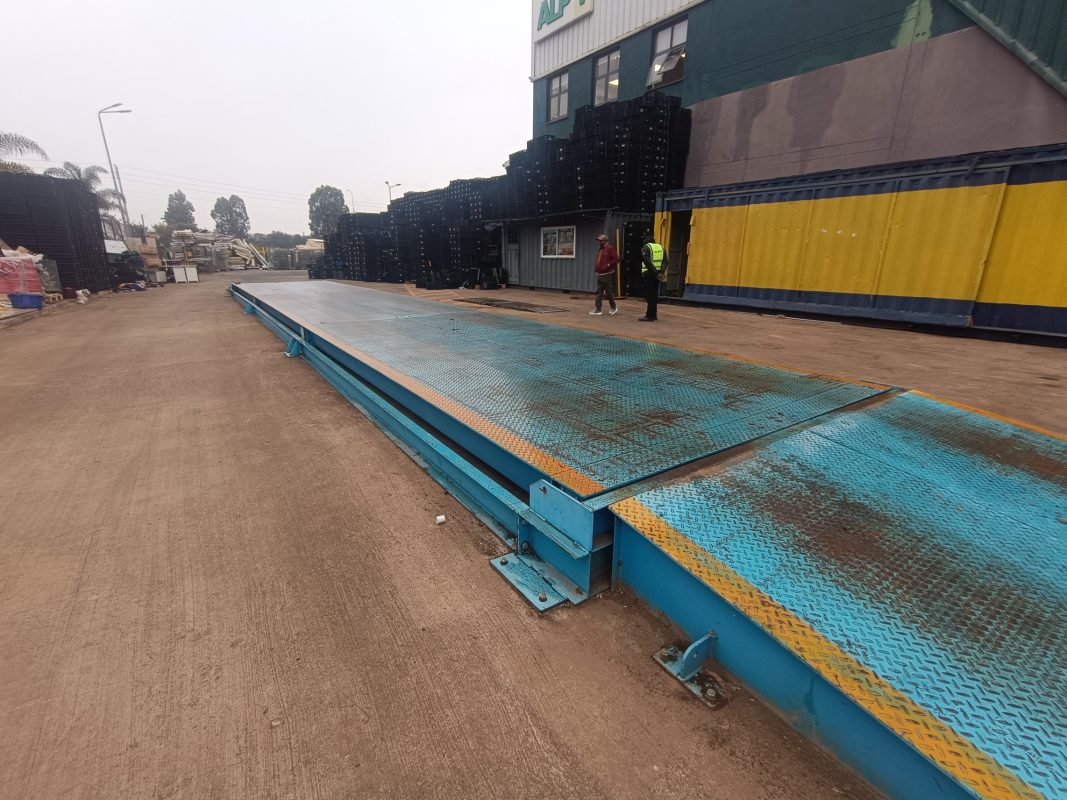
1. The deck and the load cells. The steel platform the truck drives onto rests on a set of load cells — sensors that convert the weight pressing down on them into a tiny electrical signal. The heavier the load, the stronger the signal. A typical truck weighbridge has multiple load cells so the total weight is measured accurately no matter where the truck sits on the deck.
2. The weight indicator. The load cells feed into a box called the indicator (you may know it by model names like XK3190, A9, A12, or brands like Toledo, Avery, Cardinal, or Rice Lake). The indicator adds up the signals from all the load cells, applies calibration, and shows a single stable number — the weight. This is the unit with the bright numeric display and the buttons the operator presses.
3. The record-keeping layer. This is where most yards stop thinking — and where the money is actually won or lost. A weight on a display is useless until someone captures it, ties it to a vehicle and a customer, calculates the fee, prints a ticket, and files the record. Traditionally this was a paper logbook and a calculator. Today it is software.
What actually happens when a truck is weighed
Here is the sequence, step by step, for a standard two-pass weighing:
- A loaded truck drives onto the deck.
- The load cells sense the weight and send signals to the indicator.
- The indicator settles on a stable gross weight and displays it.
- The operator records the gross weight against the vehicle’s registration.
- Later, the empty truck returns and is weighed again — the tare weight.
- The system subtracts tare from gross to get the net weight — the actual cargo.
- A fee is calculated, a ticket is printed, and the transaction is logged.
For overloaded-vehicle enforcement or axle-load compliance, a multi-deck setup captures each axle separately and flags any axle over its legal limit — important on public roads where axle overloads cause the most damage and the biggest fines.
Why the software matters more than the steel
Here is the uncomfortable truth: two yards can have identical weighbridges and load cells, and one will be far more profitable than the other. The difference is almost never the hardware. It is what happens after the weight appears.
Consider what weak record-keeping costs you:
- Revenue leakage. If tickets are handwritten, some never get billed. A truck weighs in, the operator gets distracted, and that transaction quietly disappears. Multiply a few missed tickets a week across a year.
- Disputes you cannot win. When a customer challenges a weight, a paper logbook is your only evidence — and paper is easy to argue with. A timestamped digital record with the vehicle, operator, and exact weight ends disputes fast.
- No visibility. With paper, you cannot answer simple questions: How much did we bill this month? Which customer weighs the most? Are we busier on Mondays? You are running blind.
- Slow throughput. Every second an operator spends writing, calculating, and filing is a second the next truck waits. At a busy yard, throughput is revenue.
Good weighbridge software fixes all four. It captures the weight straight from the indicator, remembers vehicles and their tare weights so repeat trucks are one tap, calculates fees automatically, prints or saves tickets, and gives you reports that show exactly what your yard earned.
You don’t need to replace your weighbridge to modernise it
A common misconception is that better record-keeping means buying a whole new weighbridge. It doesn’t. Your existing deck, load cells, and indicator are fine. Modern weighbridge software connects to the indicator you already have over a standard serial connection and simply captures the number it already produces.
That means the upgrade path is cheap: keep the steel, keep the indicator, and add software that turns every weighing into a clean digital record.
The bottom line
A weighbridge measures weight. A weighbridge business runs on what you do with that weight. The load cells and indicator are solved problems — they have worked reliably for decades. The real opportunity is in the record-keeping layer, where most yards still lose time and money to paper.
KIPIMO is browser-based weighbridge software that captures live weight from your existing indicator, prints tickets, tracks vehicles and customers, flags overloads, and shows you exactly what your yard is earning — with no new hardware and nothing to install. Start a free trial and see your weighbridge become a proper business system.
